The hardest thing to do is feel like you’re suffering in silence.
No, this isn’t that type of post. As a matter of fact, today has been one of the better days; one where I can separate myself from the experience and write about it as some sort of self-talk therapy. 2026 thus far has been a roller coaster of emotions; the good, the bad, the ugly, the beautiful–whatever. For the past couple of months, I’ve had some sort of flare up with my mental health. I’ve been able to function and do what I need to do, but if you were to ask me how everything is going and if I could confidently say that I was okay, I would hesitate.
In some sort of way, I’m just existing– but my mind is causing my body to act out in ways that signals that maybe something isn’t okay, and I have no idea what it could be.
Hi, my name is Liz, and I suffer with trichotillomania in silence most of the time.
The beauty about having a platform like this blog is that I get to at least write about what I’m going through when I feel like I don’t have much support with it verbally. I say that because every time I try talking about it verbally, I always feel this immense amount of shame and type of vulnerability I am not comfortable being.
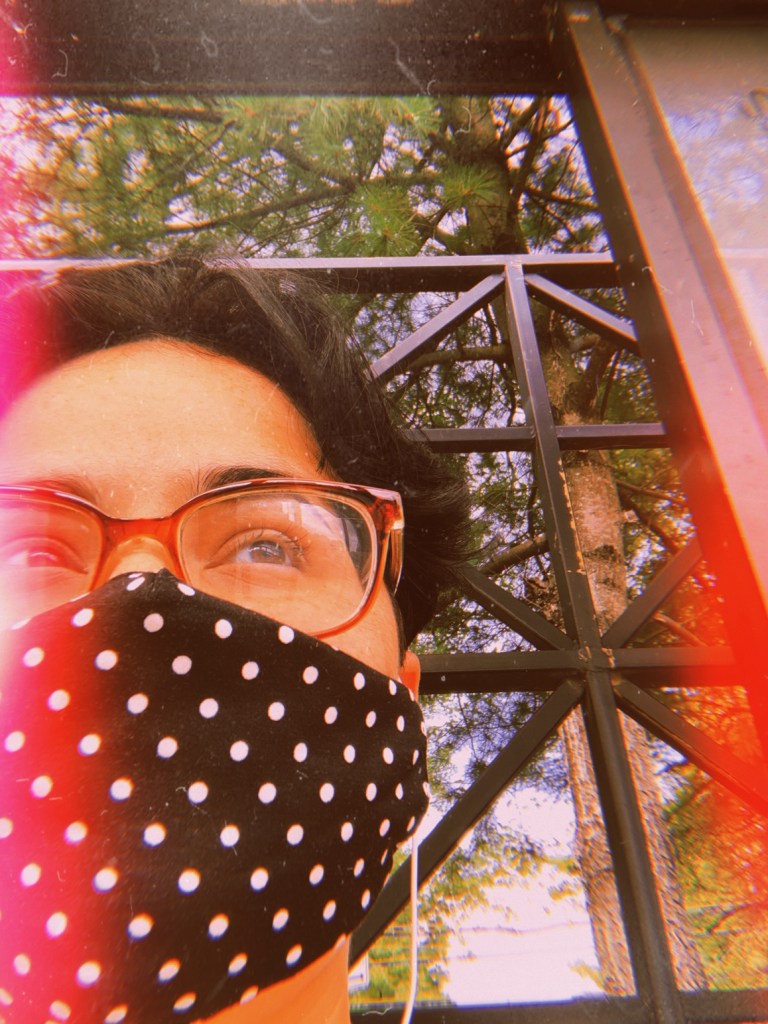
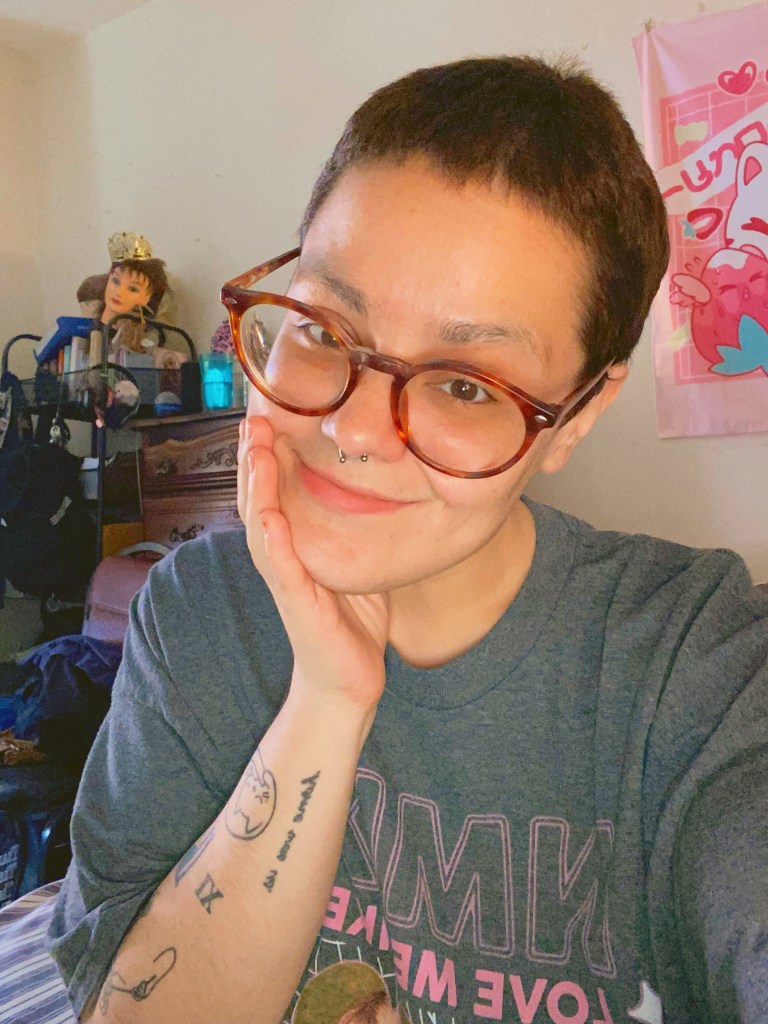
So, back in 2020, I opened up about my trichotillomania story for the first time explicitly. In 2023, I wrote another post; illustrating just how trichotillomania looks like when it’s not in the state of a flare up. This will be my third post about it, and it’s at the absolute worst it’s been since struggling with it for 20 years. To say it even more explicitly: my hair is the shortest it’s ever been, I gave myself a bald spot in my hairline after an intense episode a couple of months ago, I’ve had no eyebrows since December 2025, my eyelashes both have had bald patches since January 2026, and I have scars on my scalp due to the excessive pulling, cutting, and styling my hair. This is the first time I am actively struggling with all three areas at the same time.
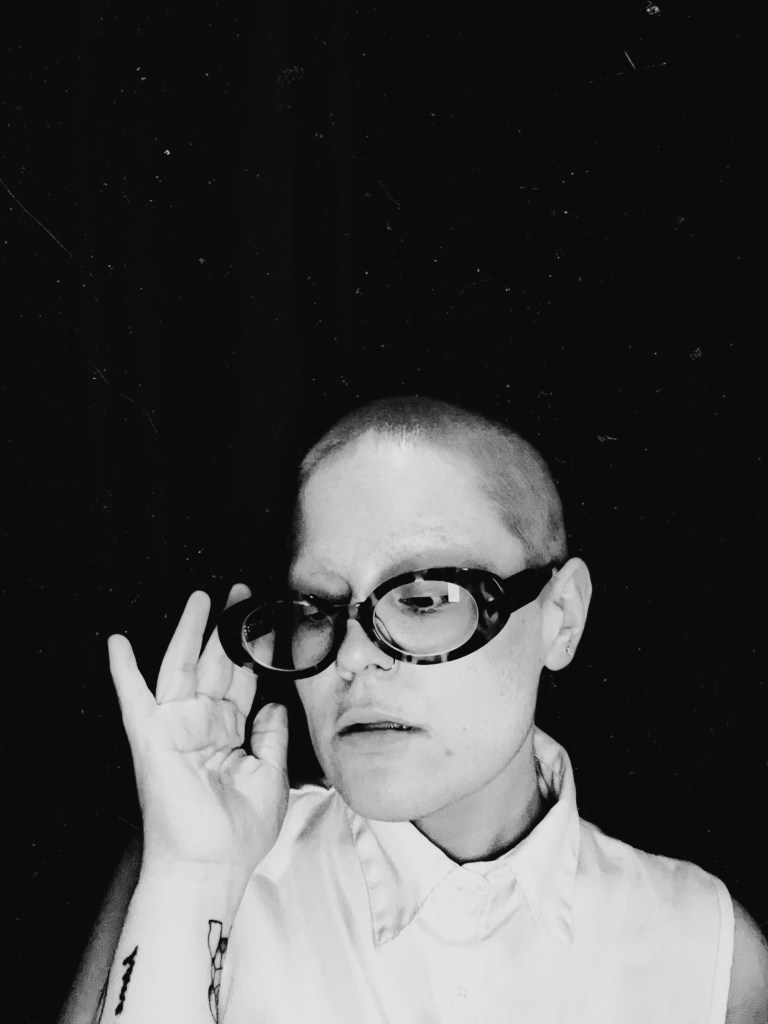
It’s exhausting, it’s embarrassing, and it nearly feels impossible to imagine a life where I’m not actively struggling with some sort of trichotillomania.
It’s one of those things that I know most people wouldn’t understand unless they deal with it themselves. When I share my own story, I am not seeking sympathy or even complete understanding of the disorder. I am simply seeking someone to listen and hear me out. It is not an invitation to tell me “you can stop if you wanted to” or that you’re “not trying to sound too insensitive, but you would stop if it wasn’t something you don’t enjoy doing.”
Let me drop this gem on those who say that real quick: many of us hate that the ‘enjoyment’ aspect of the disorder is the sense of ease and relief our brain feels in times of high stress and anxiety. It’s a fucking unhealthy coping mechanism in which takes YEARS to unlearn because you are rewiring your brain to not associate ease and relief with hair pulling, cutting, and styling.
It may sound like I’m angry as I write this post. It’s not anger; it’s frustration. It’s frustration with myself, the people around me, and the beauty standards that society has for women.
First and foremost, it’s frustration with myself because I know I have the capability and power to treat this. Within the 20 years I’ve had trichotillomania, there have been years I went without pulling/cutting my hair. I’ve allowed my hair to grow long when I wanted it to be long. I’ve allowed myself to have hair on my eyebrows when I wanted to have hair on my eyebrows. I’ve had moments where it seemed like I beat trichotillomania’s ass, until I mindlessly went back to damaging the progress I made. It’s an exhausting cycle, especially when I know I am capable of managing it.
It’s frustration with the people around me not because they don’t understand what I’m dealing with, but the fact that what they deem as support is actually inhibiting. I understand that it’s natural (and normal) for people to say “just stop doing it” when trichotillomania portrays itself as a bad habit, but if someone expresses doing something that is causing immense stress and anxiety to the point that it affects their daily functioning, it’s not just a bad habit; it’s an compulsive mental health issue. It’s also a very real thing.
Lastly, is frustration with what is considered beautiful in society, especially if trichotillomania co-exists with other mental heath issues (which in most cases, they do). For me, it’s “just right” OCD. “Just right” OCD is a subtype of obsessive-compulsive disorder that gives you extreme discomfort when something doesn’t look right or feel right without the fear of harm or contamination. When they feel “off”, compulsions can go anywhere from rearranging and repeating things until they absolutely feel right again. When putting trichotillomania in the mix, you now have someone needing to fix or repair the damage by either cutting off all of your hair to mask the bald, patchy spots on your scalp, drawing on your eyebrows because you’ll look “weird” or “ill” without hair there, and putting eyeliner on your eyelids to hide the spaces in your eyelashes that have no hair.
Why? Because you are in a constant battle between a coping mechanism that eases your stress and anxiety while compromising the integrity of your beauty standards.
Again, I am not writing this in hopes that people will sympathize with me. I am no longer seeking reassurance for my trichotillomania. I am simply voicing out how it cognitively is for me, and how it almost feels like I’m mourning the version of myself where I felt the prettiest. Having my “Kpop boy” haircut parted in the middle, mascara on my eyelashes and eyeliner on the tails of my eyebrows is when I feel the prettiest. Having cute hair clips that match the color of my outfits is when I feel the prettiest. Feeling good is when I feel the prettiest.
To say it simply: I am writing this in hopes that other people that struggle with trichotillomania know that they are not alone, no matter how lonely it makes you feel. It’s an invisible disorder that has physical, unwanted symptoms.
I am writing this for my future self; the version where I’ve overcame this current flare up, but perhaps found myself in that lonely mindset again when things get bad. It’s okay to not be okay, and this is not something you should feel ashamed of doing. If no one else can give me the type of support I am seeking with this battle, then let me become that person that does.
This shall pass. Things always get better, no matter how far away it may feel in this moment.